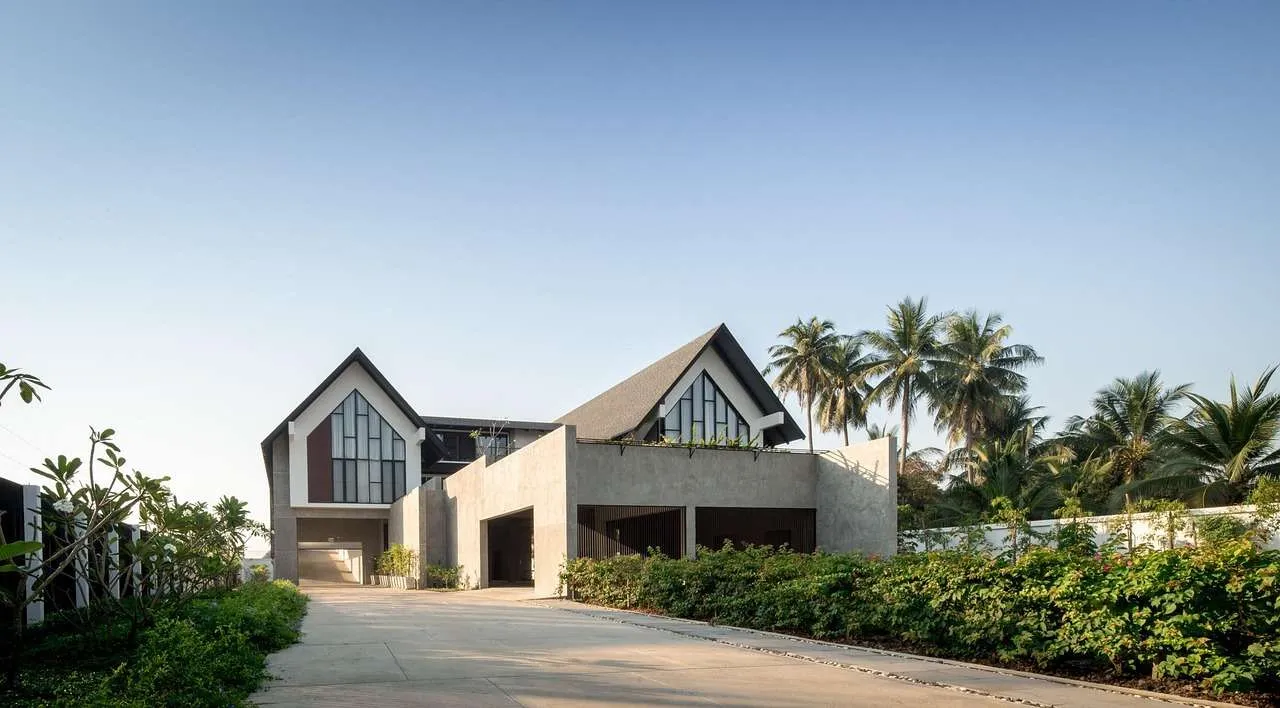
Repair of roofing is a key aspect of home protection. Timely repairs prevent water intrusion, structural damage, and escalating costs. This guide explains how to recognize issues, how repairs are performed, and how to choose the right professional for durable results.
Understanding the repair of roofing
Roof repair involves patching leaks, replacing damaged shingles, sealing flashing, and restoring attic ventilation. The scope can range from a small patch to replacing sections of decking, depending on material and extent of damage.
Signs you need roof repair
- Visible leaks on ceilings or walls after rain
- Missing, curled, or cracked shingles
- Granules in gutters or downspouts
- Light visible from attic ceiling during daytime
- Sagging roof deck or excessive dampness in attic
Common problems and how to address them
Missing or damaged shingles
Damaged shingles expose underlayment to weather. Replacing missing shingles promptly is essential to stop leaks.
Leaks and water intrusion
Leaks may originate at flashing, joints, or around penetrations. Sealing with compatible sealants and flashing repairs are typical methods.
Damaged flashing
Flashing around chimneys, valleys, and vents must be intact to divert water. Corrosion or gaps require replacement.
Ventilation and insulation issues
Proper ventilation reduces ice dams and moisture buildup. Address loose or blocked vents, and verify insulation levels above the ceiling.
DIY vs professional roof repair
Small cosmetic repairs may be tackled by confident homeowners with safety equipment and the right materials. However, many repairs involve risk of fall injury, structural damage, and incorrect sealing. For most repairs, especially on steep pitches, damaged decking, or complex flashing, hire a licensed professional to ensure safety, proper warranty, and high-quality workmanship.
How to choose a roofing contractor
Look for licensed, insured contractors with local references and written estimates. Check online reviews, request a scope of work, warranty terms, and a visible portfolio. Ensure they perform a preliminary inspection and provide a detailed repair plan.
Costs, timeline, and warranties
Repair costs vary by material, extent, and region. Minor repairs may cost a few hundred dollars, while extensive leaks or decking repairs can exceed a thousand. Most reputable pros provide a warranty on workmanship, usually 1 to 10 years, depending on material and contract.
Materials and methods
Common repair materials include asphalt shingles, metal, tiles, and underlayment. The method depends on damage type and roof design; flashing replacement, patching, or full deck replacement may be necessary. Using compatible materials preserves performance and prevents mismatches.
Maintenance tips to extend roof life
Regular inspections after severe weather, cleaning gutters, trimming overhanging branches, and addressing ice dams promptly can extend roof life and reduce repair frequency.
| Aspect | DIY Roof Repair | Professional Roof Repair |
|---|---|---|
| Skill level | Moderate to high; safety risk | High; trained crew |
| Cost considerations | Lower upfront, may incur fixes later | Higher upfront, warranty included |
| Time to complete | Depends on DIY pace | Fixed project window |
| Risks | Falls, improper sealing | Lower risk; code-compliant |
| Warranty | Usually none | Typical workmanship warranty |
| Quality and durability | Variable | Higher, with inspection |
Choosing the right approach depends on the problem, roof type, safety, and budget. For most homeowners, a professional assessment provides clarity and protects against hidden damage.
Summary The repair of roofing requires timely assessment, skilled workmanship, and ongoing maintenance to extend life, reduce risk, and manage costs effectively.